Welcome Sign in
Product successfully added to your shopping cart
There are 0 items in your cart. There is 1 item in your cart.

Cornmint - Mentha arvensis
Cornmint essential oil, India has a clean penetrating scent with a strong menthol kick. It lacks the sweetness of peppermint and the earthiness of pennyroyal but it is warm and pleasant.
New
Data sheet
| County of Origin | Nepal |
| Therapeutic Properties | Analgesic, anti-bacterial, anti-inflammatory, anti-microbial, anti-oxidant, anti-spasmodic, stimulant, stomachic |
| Botanical Family | Lamiaceae |
| Chemical Family | Monoterpenols |
| Approx. Shelf Life | 6 years |
| Plant Parts | This mint oil is obtained from the flowering tops using the steam distillation process and is usually a solid before the main component, menthol, is extracted using the freezing method. |
| Note Classification | Top | Middle |
| Method of Extraction | Steam Distilled |
| Blends well with | Eucalyptus, Clary Sage, Lemon, Lavender, Peppermint, Marjoram, Spearmint and Rosemary |
More info
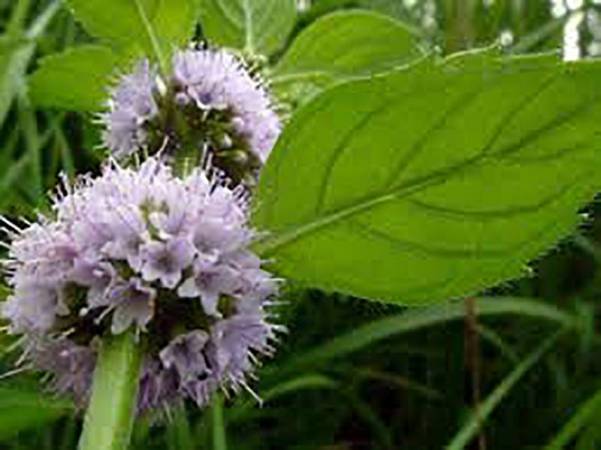
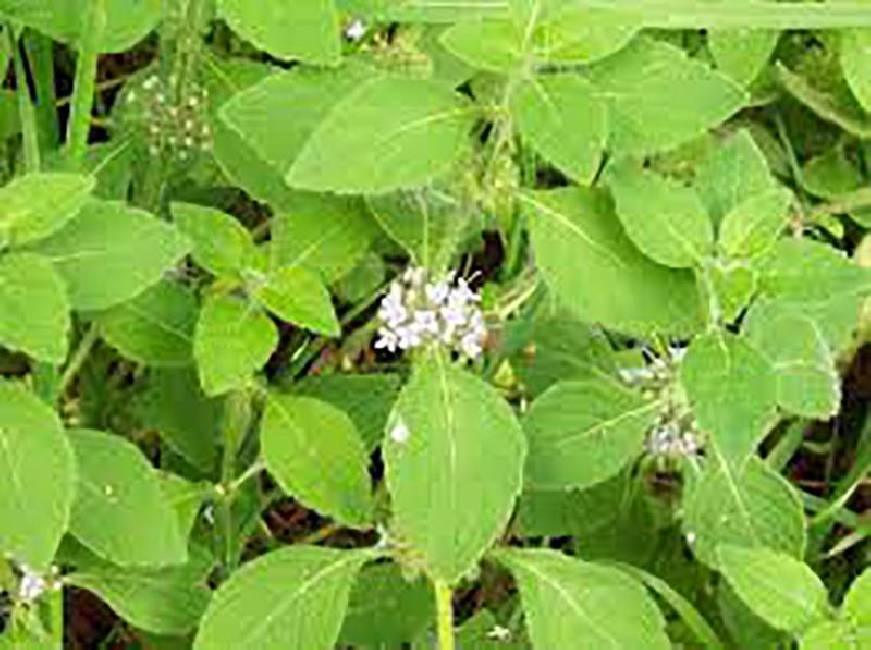
History: CornMint (Mentha arvensis) also known as wild mint or field mint has six subspecies, is native to the cooler areas of Europe, Asia, eastern Siberia and also North America. It is a herbaceous perennial growing up to 60 cm in length.
The leaves grow in opposite pairs and are simple hairy and broad. The flowers are pale purple in color and sometimes white or pink. The herb is grown mainly for the extraction of menthol and the production of oil. The menthol that is extracted from this plant is extensively used in the confectionery, food and beverage industries.
The main countries producing wild mint are China, India, Brazil, Argentina and Vietnam. The plant has been adopted both as a medicinal herb as well as a flavoring agent for food in many different cuisines around the world. The Aroma is extracted to produce everything from soap to chewing gum. One of the reasons for its commercial value is because it is relatively cheaper to produce than its close cousin peppermint.
Characteristics: Cornmint Essential oil is very high in menthol levels, being its main constituents menthyl acetate and menthol. It is high in free alcohols, ketones, menthone, isomenthone, esters and limonene. It has a fresh and strong aroma mildly bittersweet.
Indications: Corn Mint essential oil is put into practice to treat rheumatic pain, neuralgia, toothache, indigestion, laryngitis, and bronchitis. It is also an accepted treatment for tumors, earache and certain types of skin conditions and has been found to be very useful for the treatment of strains, sprains and bruises, ringworm, scabies and muscular pain.
It is considered to have a positive effect on the nervous system, as it can act as a sedative and regulator. Due to its antibacterial and antiseptic properties it can be used to treat swollen gums, mouth ulcers and to alleviate toothaches.
Mode of Administration: The oil is applied extensively in the cosmetics and body care industry to make everything from soaps, toothpaste and detergents, to industrial perfumes.
Safety: Corn mint essential oil is non toxic oil but may cause skin irritation in some people. Its use should be avoided during pregnancy. Large amounts of Menthol are found in this oil. Mint essential oils that contain large quantities of menthol often carry cautions for use. A small amount of essential oil, used correctly and safely, should not cause fatal toxicity, as large amounts of menthol must be consumed before toxicity becomes a major problem. However, there are some groups of people that should take extra caution when using essential oils that contain menthol.