
Welcome Sign in
Product successfully added to your shopping cart
There are 0 items in your cart. There is 1 item in your cart.
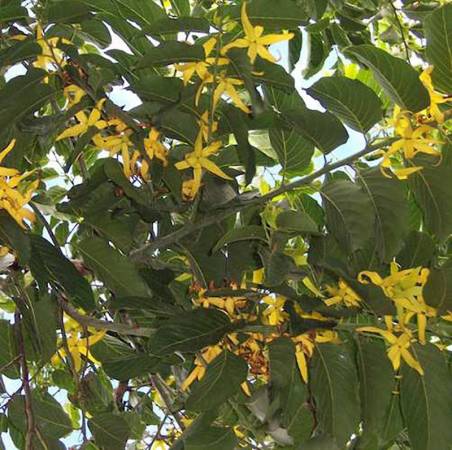
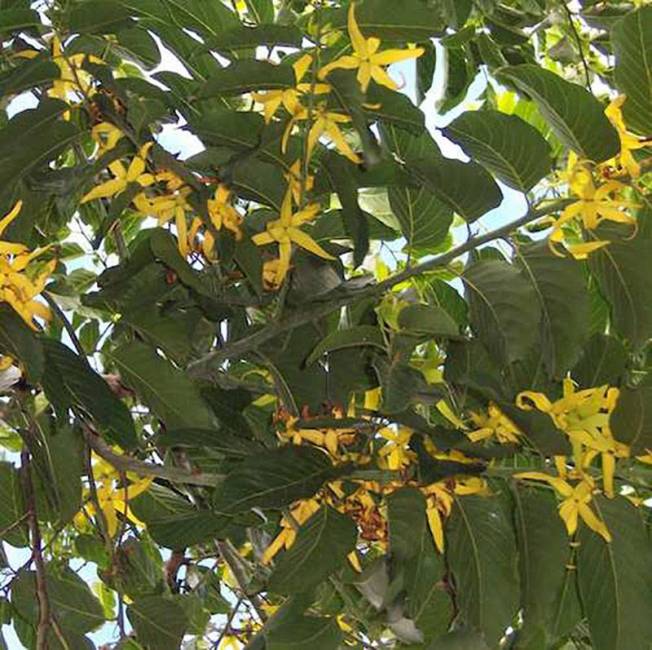
Ylang Ylang I - Cananga odorata
Ylang Ylang Essential Oil is also known as flower of flowers. There are several grades of Ylang-ylang essential oil which are extracted at different times during the flower's lengthy distillation. These grades are referred to as extra, I, II, & III.
New
Data sheet
| County of Origin | Madagascar |
| Therapeutic Properties | Analgesic, Anti-anxiety, Anti-depressant, Anti-inflammatory, Anti-septic, Hypotensive, Nervine, Sedative |
| Botanical Family | Annonaceae |
| Chemical Family | Esters, Sesquiterpenes |
| Approx. Shelf Life | 5 years |
| Plant Parts | Flowers |
| Note Classification | Middle | Base |
| Method of Extraction | Steam Distilled |
| Blends well with | Bergamot, Grapefruit, Lavender, Neroli, Rosewood, Sandalwood. |
More info
History: In Indonesia, Ylang ylang flower petals are strewn upon the bed of newlywed couples. It was a popular ingredient of hair preparations in Europe and was known as Macassar oil. The word anti-macassar originated from this, since an anti-maccasar was used to keep hair oil from staining upholstered furniture.
Characteristics: Ylang ylang Essential Oil has a sweet, exotic, floral scent that is one of the most sought after aromas.
Clinical Studies:
Indications: Ylang ylang Essential Oil can assist with problems such as high blood pressure, rapid breathing and heartbeat, nervous conditions, as well as impotence and frigidity. Spiritual practitioners claim that the users of Ylang ylang are those who have been drawn to the oil, and who in turn, suit it. Ylang ylang Essential Oil is best suited for use in the perfumery and skincare industries.
Personality Profile:
Subtle Aromatherapy:
Mode of Administration: Aroma lamp, bath, diffusor, light bulb ring, liquid candle, massage, mist spray.
Safety: Ylang ylang Essential Oil can cause sensitivity on some people and excessive use of it may lead to headaches and nausea.
